

Same Same but Different

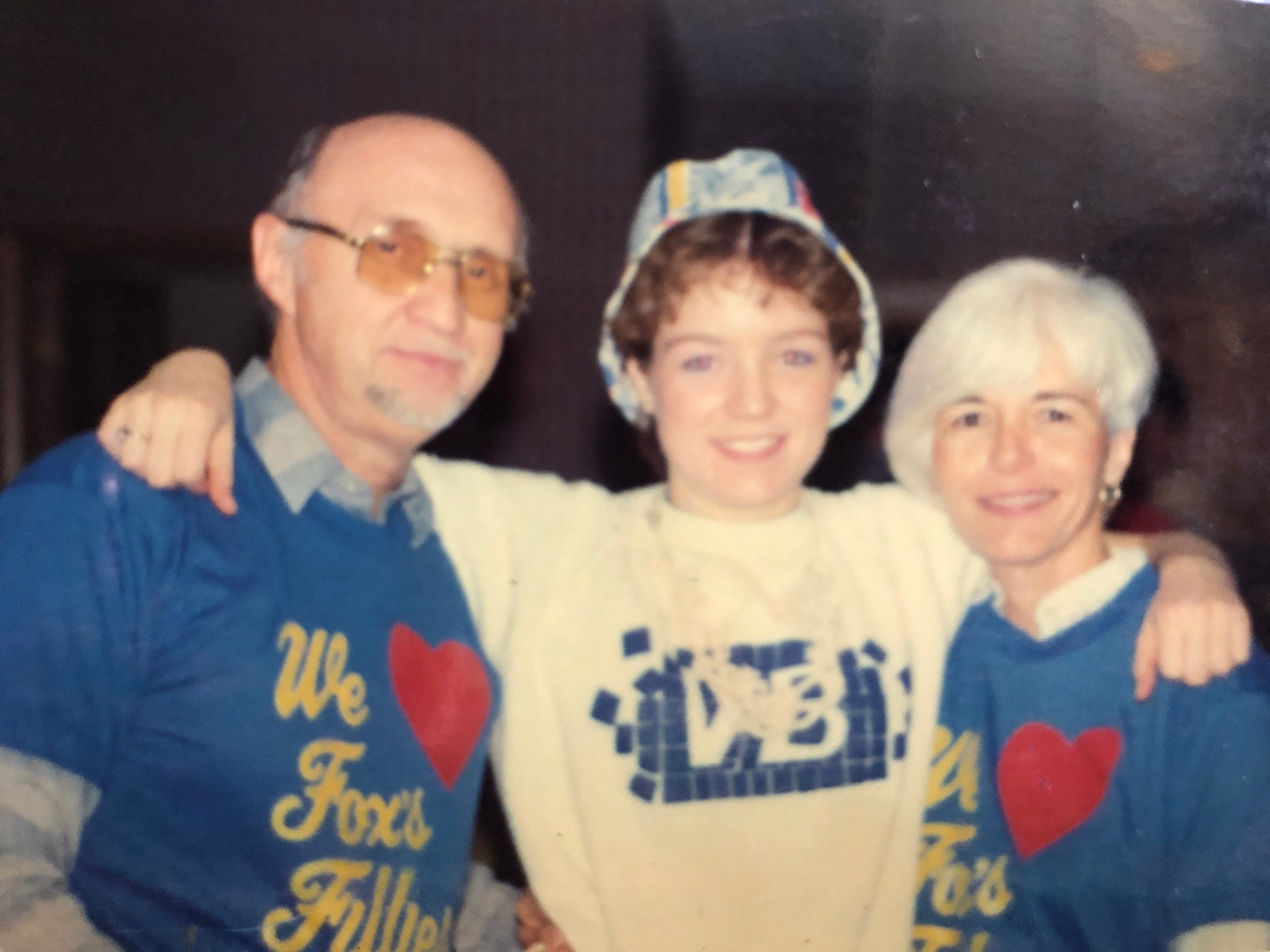
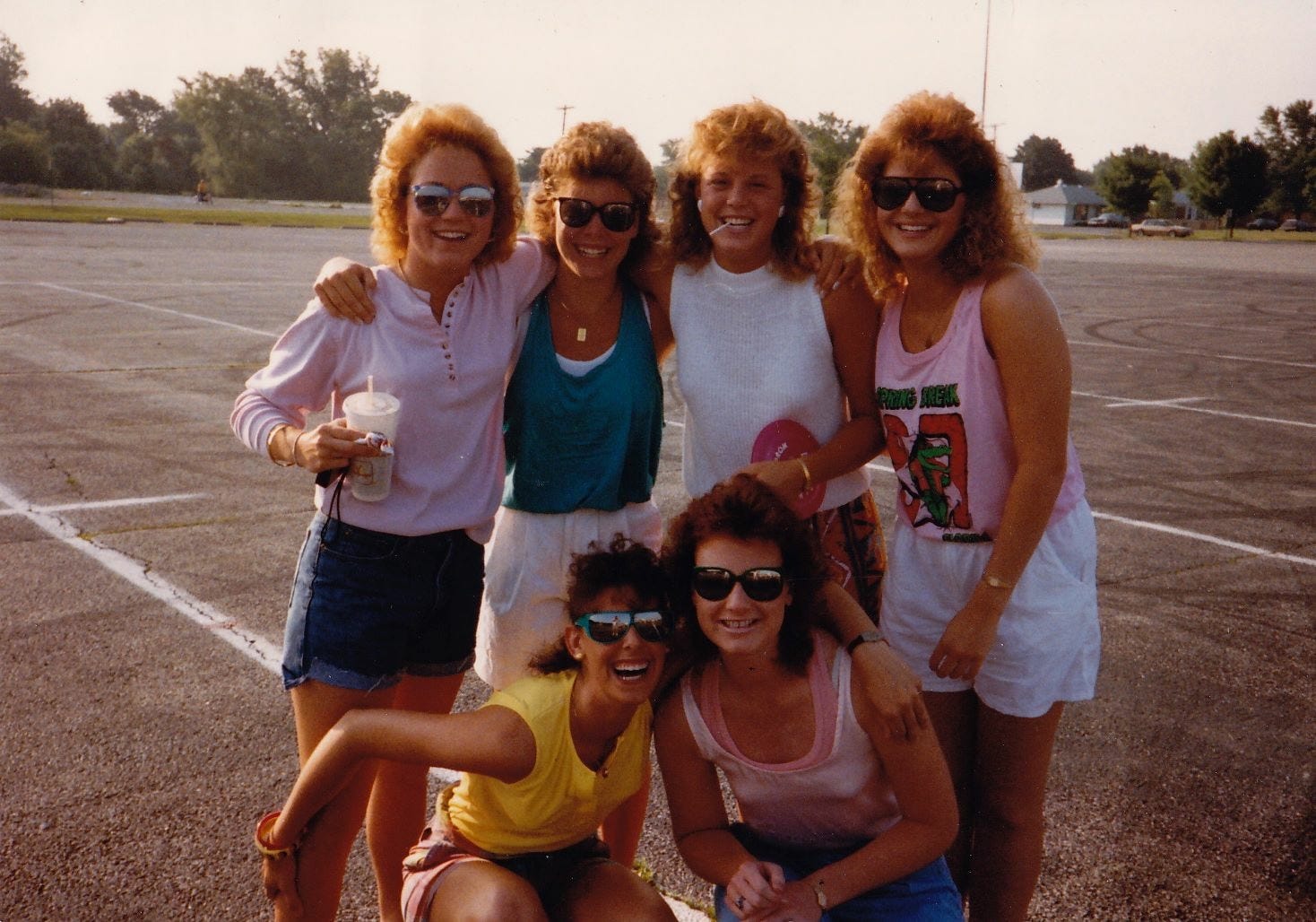
Last week, my friend, Deanna, surprised me with a visit. We were thick as thieves in high school, bonded over 6:00 AM free throws before school and laps around the softball field for missed plays at second base. We hadn’t seen each other for nearly 40 years, and yet we sat in our living room and talked as if we’d never missed a beat. She shared stories that sparked latent memories in me. It was interesting to see myself as she’d seen me all those years ago: fierce, wounded, funny, loyal, flawed.
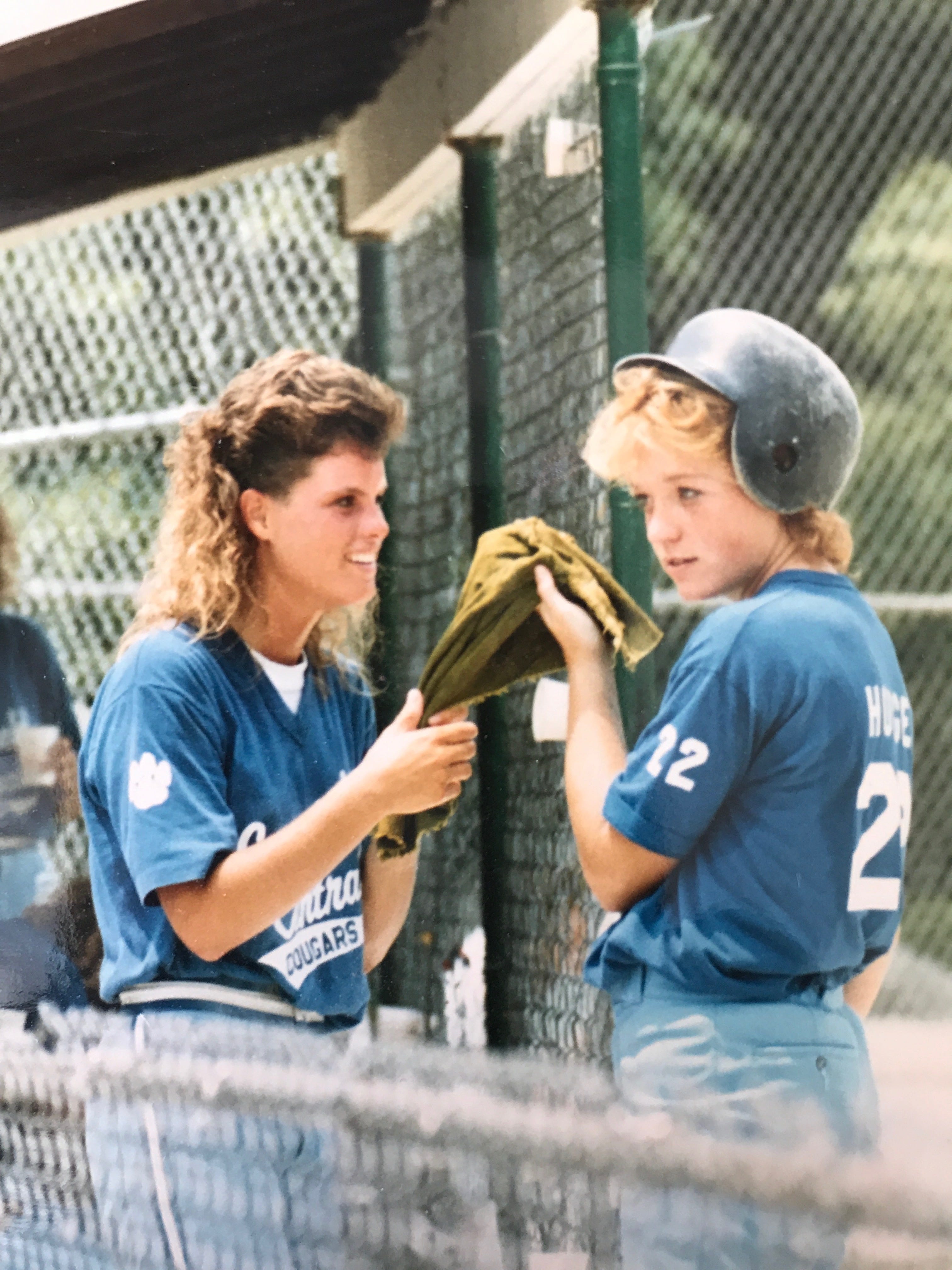
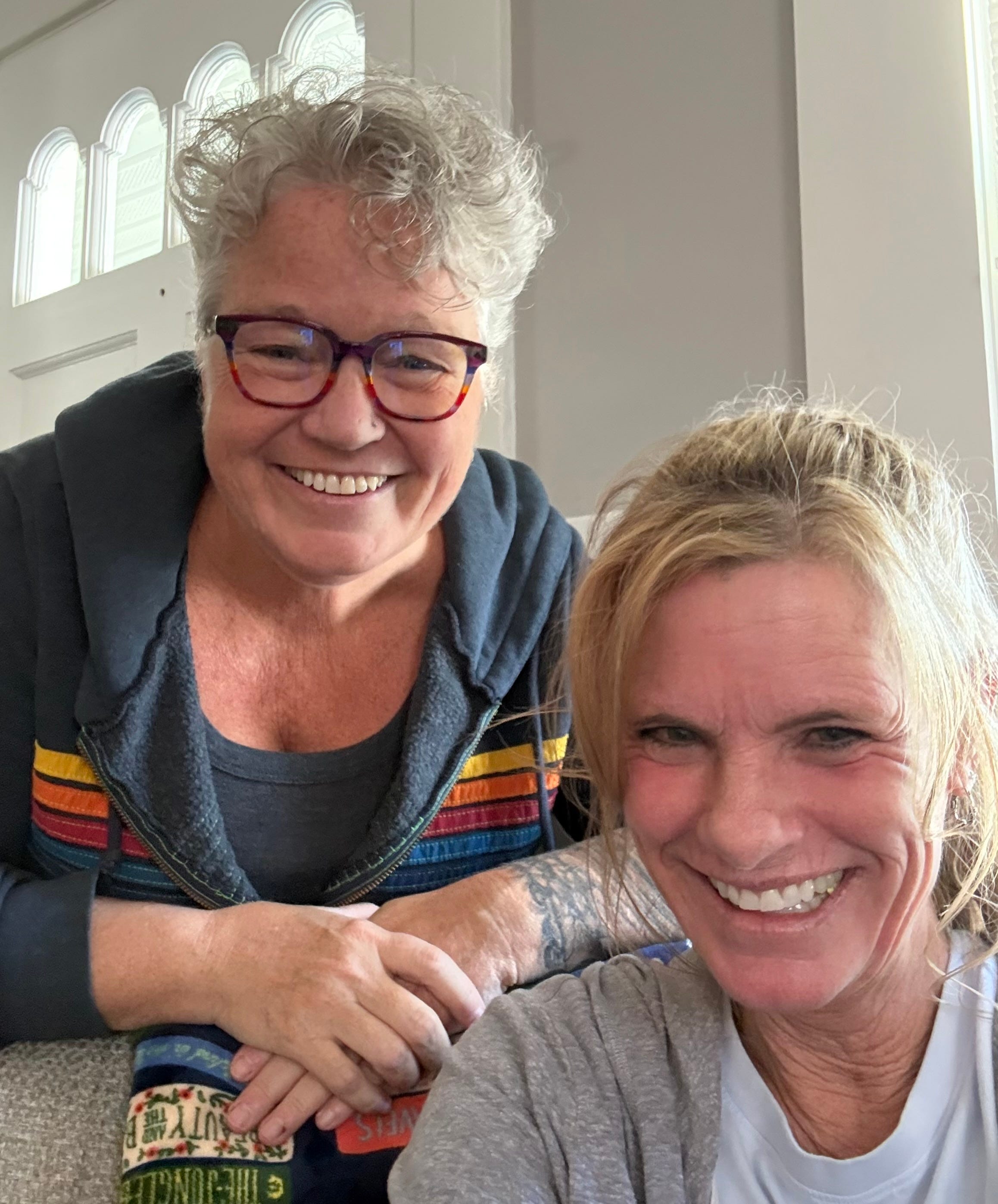
I’m the same person today, just a little fluffier and probably a little more mellow.
I’ve been thinking a lot lately about how we never really leave our childhood behind. It’s there, always, even if it’s locked behind a door of memory. There are bits and pieces that make their way into our present every day. There are experiences that happened to us as kids and young adults that shape who we are and will always be.
In 1987, when I was 17, that kind of decision was made for me.
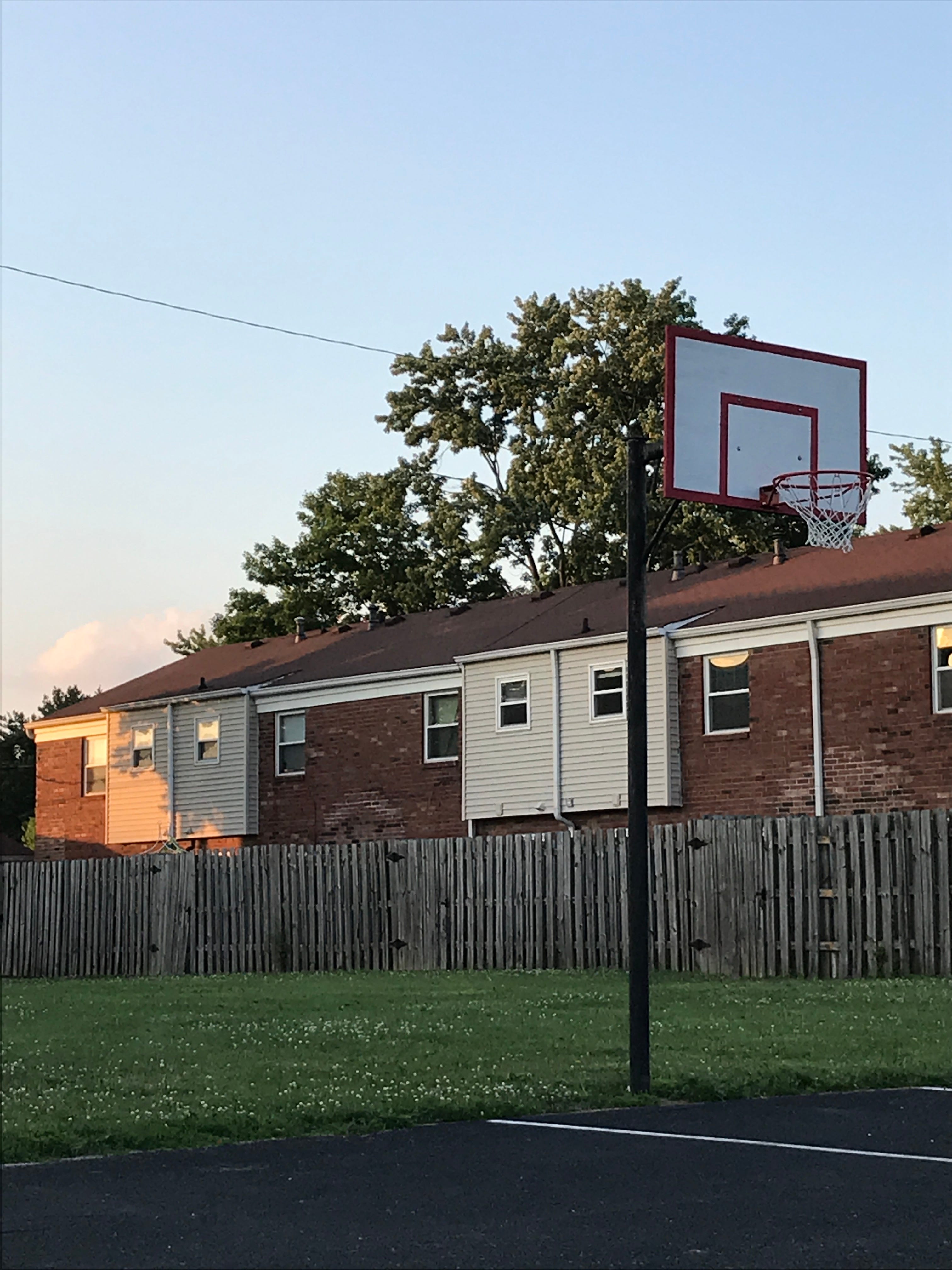
As the quintessential latchkey kid of a single mother, I found my childhood community in sports. Whether I was shooting backyard games of “HORSE” with the neighborhood boys, playing kickball on the school playground, or riding my bike to the Boys Club for baseball, athletics were my home away from home; they were the community that held me and kept me safe.
Because my Catholic school didn’t have sports teams of its own, when we reached 7th grade, we were allowed to try out for public middle school teams. When my world expanded into school-sponsored sports, I found my team, my forever tribe, my ride-or-die friends.
Basketball had been my go-to since I was little. There was something about the swish of the net, the fading jump shot that lands. I was good. I was committed. And all my best friends spent their hours on the court with me as well.
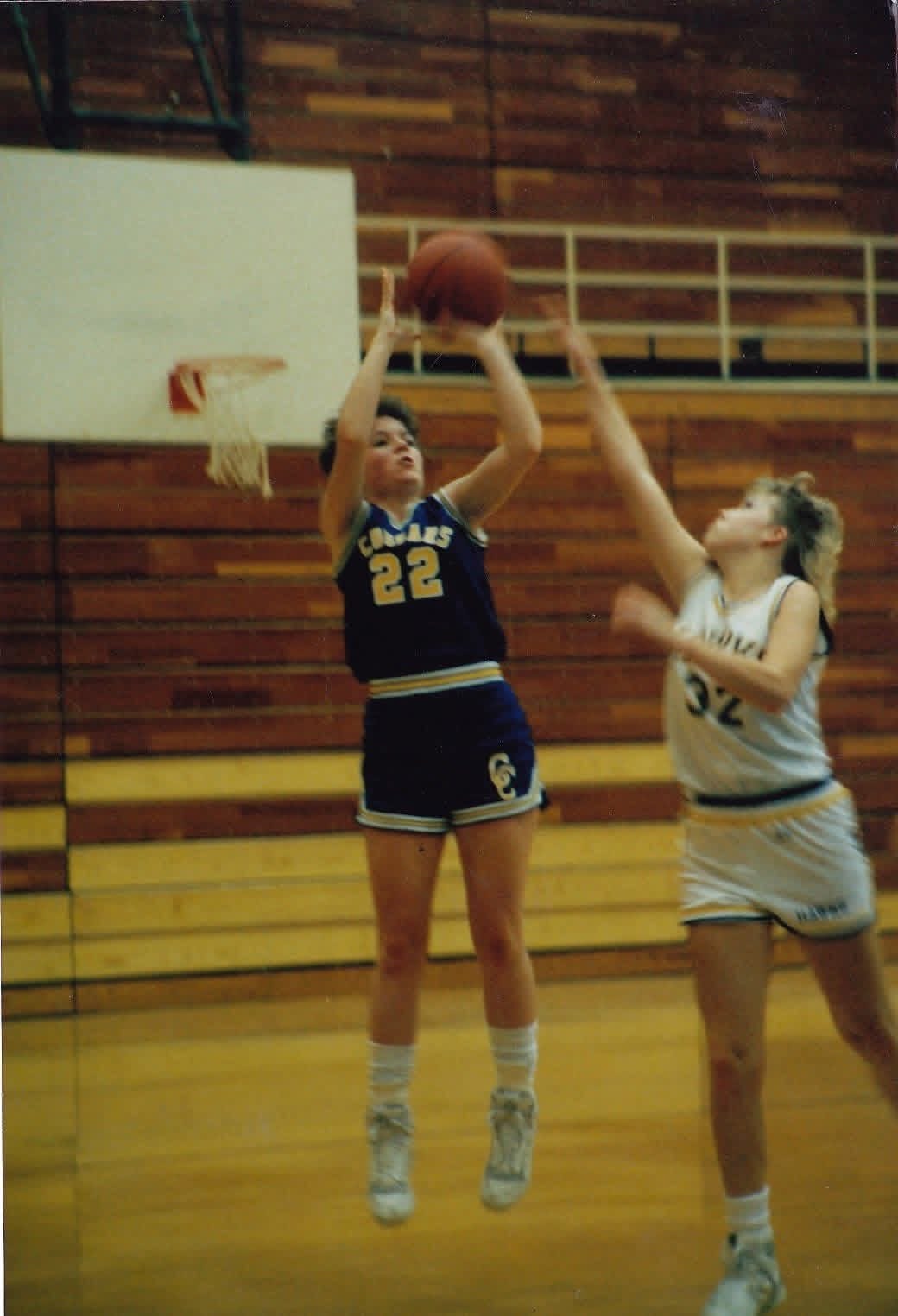
As a freshman in high school, I made the varsity team. The summer between my freshman and sophomore year, I played on an AAU team that placed fourth in the nation. As a sophomore, I started the first varsity game of the season. And we weren’t just an average high school girls team. We were good. Really good. Sweet Sixteen good. We filled the stands with our loyal fans—always more than our boys team brought.
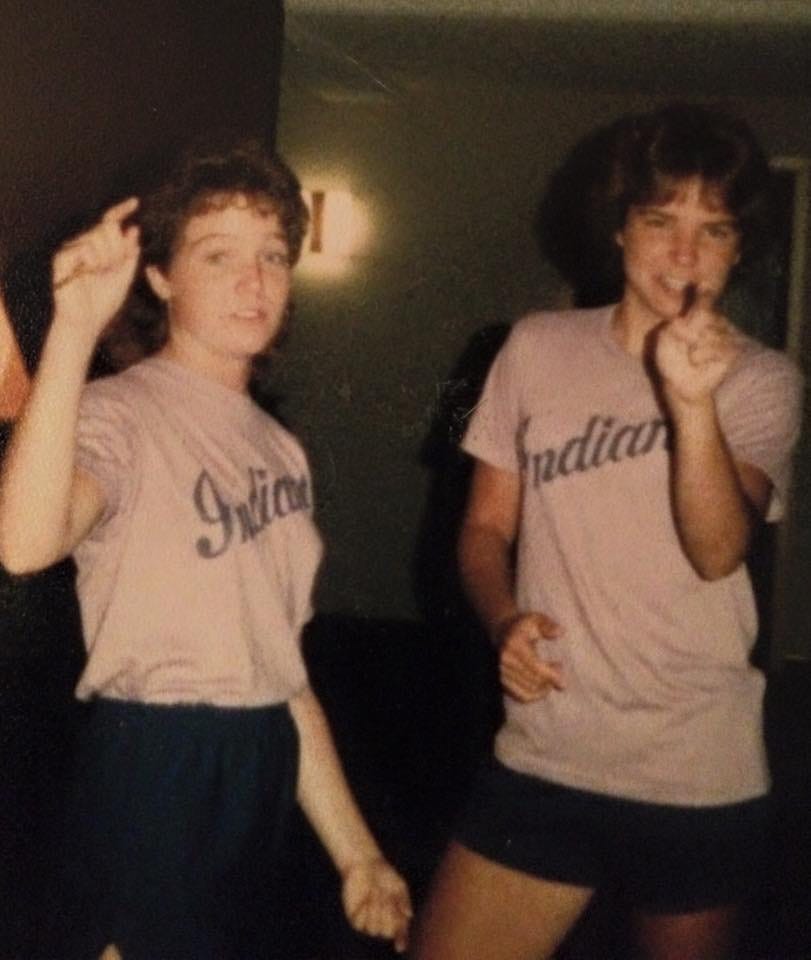
Speed was never my strong suit, and I was just an average ball handler, but what I could do was shoot. I could score from anywhere on the court. I was ranked in the top ten percent of state free throw shooters. Up close, I could score with both my right and my left. When I was put into a game during my junior year, it was to do one thing: Shoot and score. And I played my role well, even though I craved more playing time.
The last game of my junior season, I subbed in with three minutes left to play. My instructions? Shoot. Instructions to my teammates? Give Katrina the ball. I brought us back from the brink of defeat with nine unanswered points. I thought it was a positive way to end the season, and I couldn’t wait until my senior year when I would become a starter again.
That summer, my biological dad invited me to spend some time with him in Texas. My sister was going to be there, waiting tables at a restaurant he managed. I didn’t know my dad well, and I had not had the opportunity to spend time with him. I vacillated because I knew I’d miss a lot of open gym time but… he was my dad, the dad I longed for every single day of my childhood. I decided that a month wouldn’t make or break me as a player, so I went. I ran in the Texas heat every day to make sure I stayed well-conditioned. Dad wasn’t sure what to do with a teenage daughter, so he pawned me off on one of his bartenders, Brian, who was 22. Brian took me to Deep Ellum, where I heard Edie Brickell sing long before most everyone else had. Brian also took me to see the fireworks on the Fourth of July, and we watched them from the back of his truck. I thanked Brian for his hospitality that summer by having sex with him. It was what I knew how to do for men. I was taught that lesson much earlier in life.
That summer, many grown men let me down.
When I came home from Texas, I was tan and fake-blonde and no closer to my dad than I was before I left. I was seventeen, and I was so happy to see my friends, to get back on the basketball court, to listen to Whitney Houston while I shot free throws in my driveway. My parents went to the coach to inquire about what skills I needed to work on and develop to earn more playing time. His response? “Nothing. She’s great. Just tell her to keep doing what she’s doing.”
Basketball try-outs eventually rolled around that school year, and I was so excited about our upcoming season. We’d lost some pretty amazing seniors, but we were still returning three starters. It was generally assumed that I was going to be our starting shooting guard—the only unknown was who was going to run point.
The day after try-outs ended—and the first official day of practice—our varsity basketball coach pulled me aside in the hallway between sixth and seventh period.
“Can I talk to you for a minute, Hodge?”
“Sure,” I said. “What’s up?”
“I need to tell you that there is no room for you on my team this year. I have better athletes, and you did not make the team.”
My heart stopped. My practice clothes were sitting in my locker, waiting for me. My new high-tops were laced and ready to go. My friends and I were all buzzing with anticipation.
And my seventeen-year-old life as I knew it had just ended in the hallway.
“Okay,” I said. “Thank you.”
Of all the things to say, I thanked him. I THANKED HIM. I said thank you for so casually ending my basketball career, for abruptly dashing all my hopes for a basketball scholarship, for pulling the rug out from under the only high school life I’d known.
And then I ran, sobbing, to my guidance counselor’s office. He was angry. The office secretaries were angry. The other counselors cried with me in the office. My friend, Jenny—our starting center—left class when she heard and came to the office to hug and console me. She had to leave me at 3:00 because practice began at 3:15.
When I had composed myself enough to walk through the school and to the gym to gather my belongings, I heard the coach talking to the players who had made the team.
“I don’t want to hear any complaining,” he said. “It was my decision, and no one else gets a say.”
I knew he was talking about me as my friends and former teammates sat crying on the bleachers. There were two new girls on the bleachers as well—guards who had never played varsity. I understood that they were my replacements.
Jenny came by my house later with flowers and chocolate and kind words.
“We were all in shock,” she explained to me and my parents. “No one could believe it. But he wouldn’t answer any questions at all.”
In the local paper the next day, the reporter wrote about the lack of experience in the guard positions and how that would be a huge stumbling block for the team. I sat in my bedroom and cried.
That coach’s unexpected decision changed me in ways I’ve spent a lifetime trying to understand. Some might say it was just a basketball team. But to me, it was my everything. Those players were my best friends. That team was my lifeline. Basketball was my identity. I had grown up, the child of a single mom, playing with—and beating—the boys in my back yard. Basketball made me feel like I was special, like I was worthy, like I belonged to something. My coach took all that away from me in an instant. A young life suddenly had no meaning.
And I found out later it was because I had chosen to visit my dad, to try and create a relationship that had never been and never would be.
The head coach from another county school called me. He said, “Transfer here. You can live with my family. We’d be honored to have you on our team.” But I couldn’t go. I couldn’t leave my own family, my friends. And so, I had to stay. Eventually, I went to a game or two to watch my friends, and sitting in the bleachers felt like sitting on broken glass. The whispers and stares and words of encouragement from well-meaning adults was too much.
I began bingeing and purging like I never had before. My body whittled away that winter. I was so weak in the spring, I couldn’t even try out for the softball team.
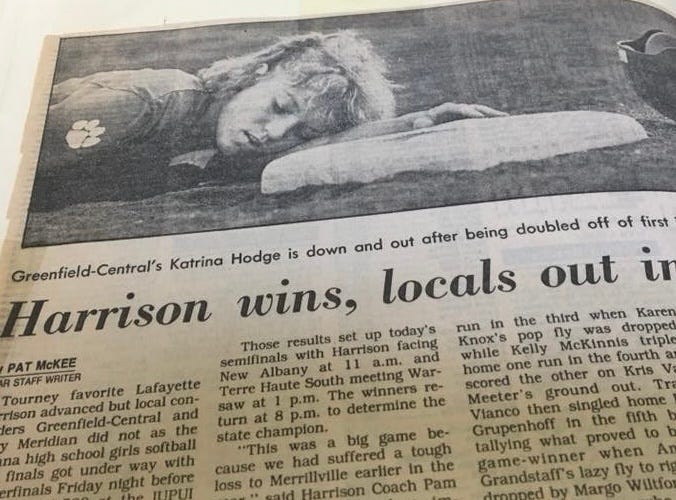
“When you gain some weight back and you can run up and down these bleachers again, you are always welcome on my team,” my softball coach said. “But I can’t have you risking your health like this.”
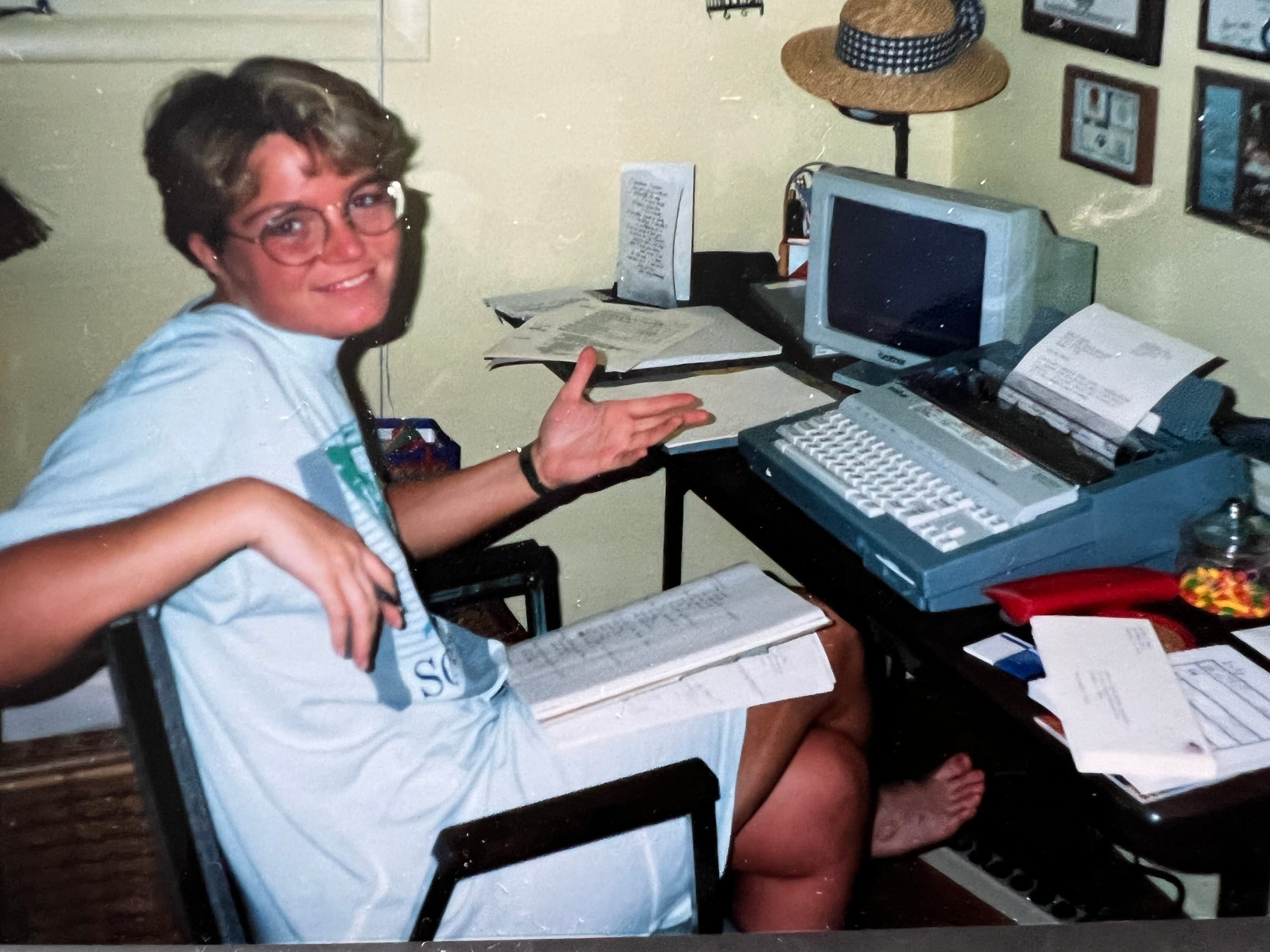
So, I missed my senior softball season as well. I still received offers to play college ball, but something in me had died that year. I began singing instead of competing. I was cast in our spring musical and sang the National Anthem for the Indiana Pacers and met the boy I would someday marry.
But nothing was ever the same.
My friend group changed, my college plans changed, my entire identity changed. I no longer knew who I was, and so I became what everyone else thought I should be.
And I remained lost for many, many years.
When Deanna came to visit recently, we talked about that coach for a while. She asked me why I still thought about him, why I gave him any space in my brain. And it made me think about how much I allowed that one man to take from me. My health, my peace, my confidence—all over an arbitrary decision he made nearly 40 years ago. That’s how deeply the wounds of our youth imbed themselves in us. I’m sure we can all remember a throw-away remark that stuck to us like Super Glue. I have two from him: “You’d be so much faster if you just lost 20 pounds,” and “There is no room for you on my team this year.”
The past ten years have unearthed so much of this experience in me. We are all existing in a country run by a mad man and his sycophants. The spaces in which I once felt welcome and at home have turned into spaces in which I no longer feel safe. Friendships I once believed to be true and forever have been split at the seams because I cannot sit idly by while others support an administration that demonizes immigrants and other people of color, degrades women, abuses children, tramples on LGBTQ+ and women’s rights, and fattens their pockets off the backs of those of us who are working hard to simply stay alive.
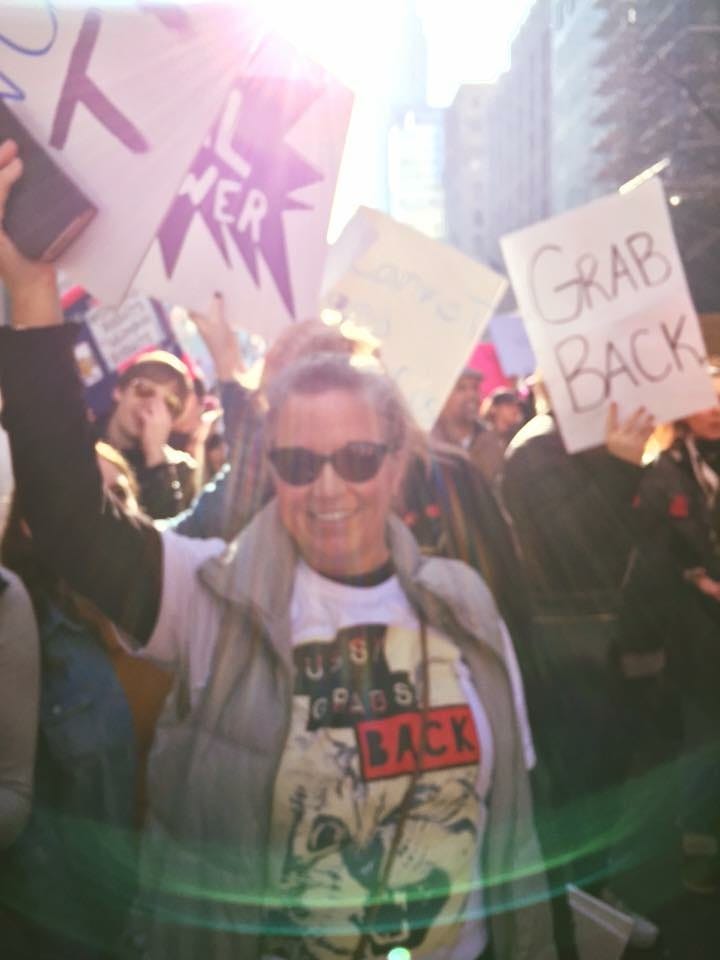
It is still amazing to me how one man’s decisions can change the course of everything we once believed to be good and true. I used to love my country and its people and its natural beauty. I never thought I would consider living anywhere else. But now I research Portugal and Sweden and Canada and Spain, and I try to figure out how to make the move. But just like I refused the offer to live with the county coach and switch my loyalty to my former competition, I know I cannot leave my family and my friends and the place that made me.
So, I am seventeen all over again, trying to navigate a country in which wicked men in charge continue to make the decisions that I must learn to co-exist with, even when they make the ground beneath me feel shaky and unsettled and terrifying.
When I was eighteen and in college, I came back to a board meeting at my former high school to speak out against my coach, to bring to light the lies and gaslighting that I experienced in his presence. To bear witness to the damage he had done to me and to others.
And his coaching contract was not renewed.
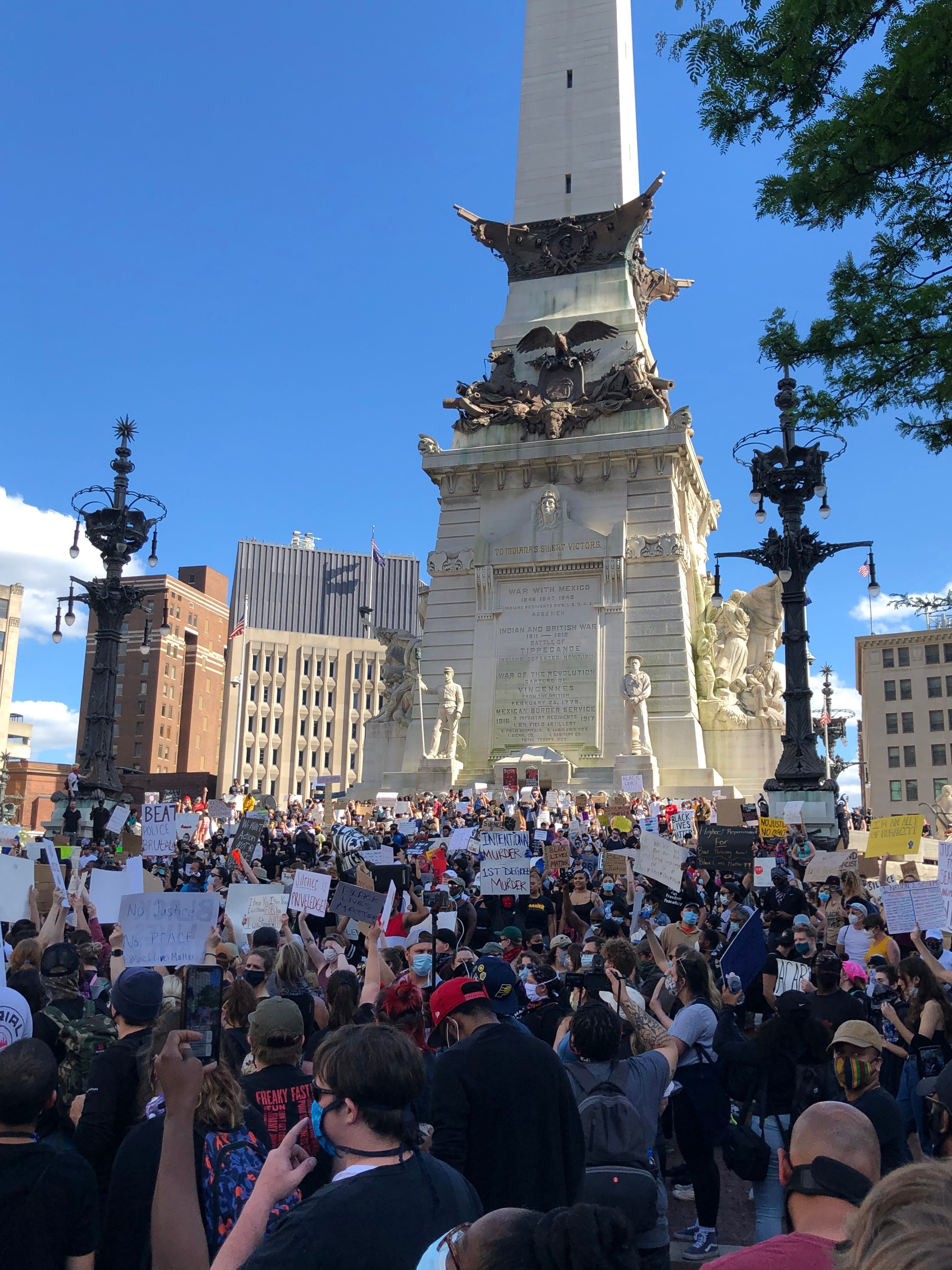
At fifty-six, I am protesting, writing, using my platform to shout to the heavens about the atrocious acts that our current administration continues to commit. My goal is to open blind eyes to the human rights that have been violated, to the murders committed under the guise of deportation, to the Christian Nationalism that is rising with astonishing speed, to the death spiral this country is in if we don’t continue to scream these horrific things to the rooftops; if we don’t continue to fight for change; if we don’t love our country enough to demand better.
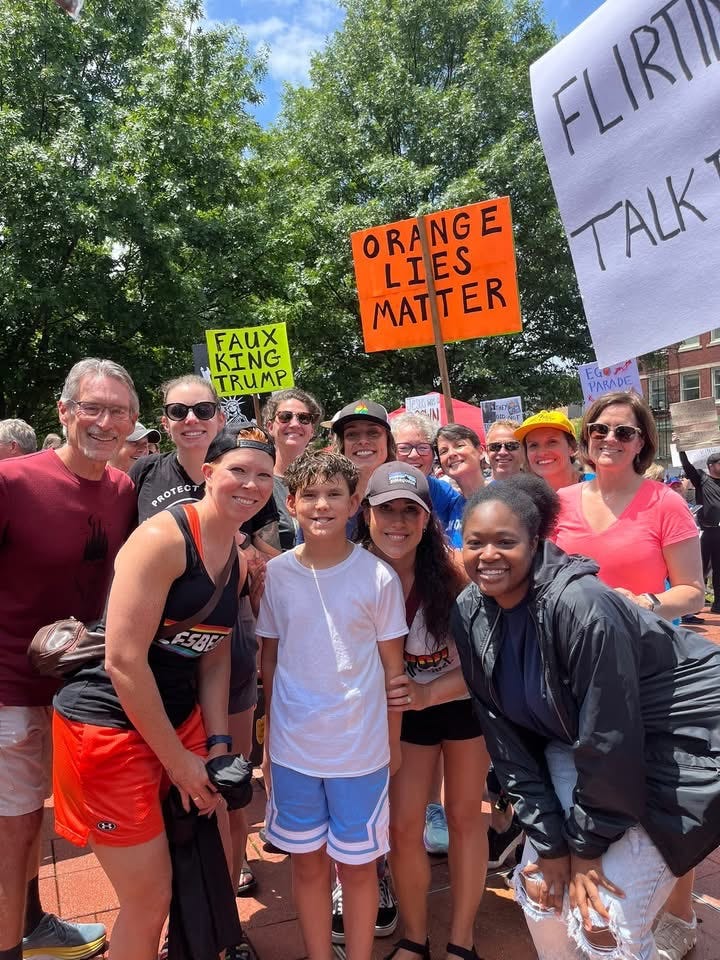
I deserved better at 17.
This country deserves better right now.
Keep fighting the good fight, friends.
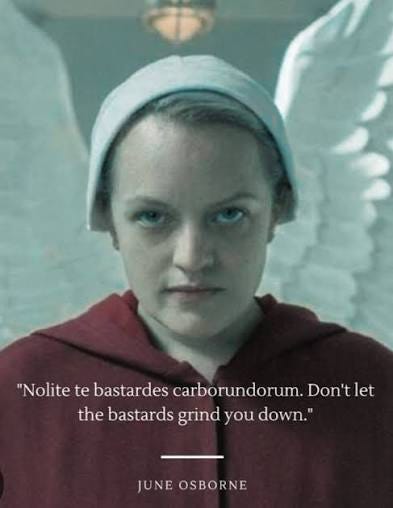
Nolite te bastardes carborundorum.
Gosh, so raw and authentic, thanks Katrina
What a whirlwind ride that essay was. I wonder if those coaches, teachers, etc have any idea the impact their statements make both good and bad. I have been writing about memory. It’s a theme I seem to always return especially growing up. It’s like a sock drawer pull out one and see if it has a mate.
I also graduated in 1988! I really love your stories Katrina. Thanks.